Your dog's diet is a powerful tool to effectively manage various medical conditions
Diet for Dogs with Urate Stones
If your dog has been diagnosed with urate stones and you’re considering a homemade diet, please get in touch. I’ll be happy to help.
Updated November 2025 by Kristina Johansen
What can I feed my dog with urate stones?
The diet of any stone-forming dog is the most effective tool we have in preventing future stones. In this guide, our primary focus will be on the diet for dogs with urate stones, also known as uric acid stones. However, we will also delve into various relevant topics such as:
- The biochemistry behind urate stones
- Genetic predisposition
- Signs & symptoms
- Prevention & monitoring
Which dogs are susceptible?
Two main groups of dogs are prone to developing urate stones: those with liver shunts and those with a genetic predisposition.
A liver shunt, or portosystemic shunt (PSS), is a condition where blood bypasses the liver instead of flowing through it. This means the liver cannot properly process waste products from digestion or handle certain nutrients as it normally would.
A genetic predisposition means that, under certain conditions, a particular breed is more likely to develop a disease. Dalmatians are the best-known example; they have an inherited metabolic defect that causes uric acid to build up in their urine. As a result, they’re much more likely to form urate stones than other breeds. The condition also occurs more often in males than in females.
Uric acid stones and Dalmatians
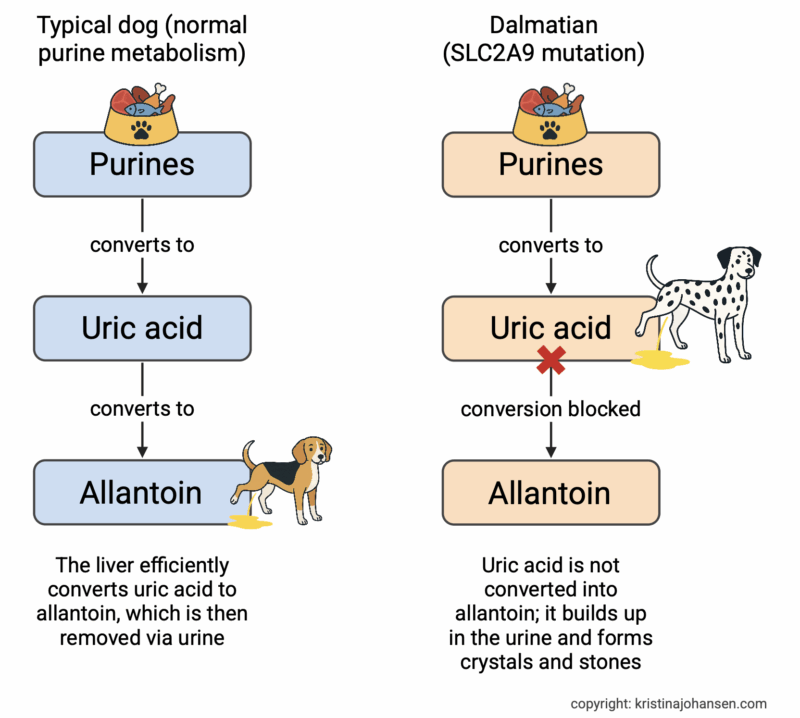
Uric acid stones all begin with tiny molecules called purines. Purines are naturally found in many foods, especially certain proteins. Some proteins contain far more purines than others. For example, organ meats such as liver and kidney are high in purines, while eggs, dairy and most vegetables contain very little.
In most dogs, the liver breaks purines down into a substance called uric acid. The liver then converts this uric acid into allantoin, a compound that dissolves easily in water. Allantoin passes through the kidneys and bladder and is excreted in the urine. It’s a smooth, efficient system, and for most dogs, it works perfectly.
In Dalmatians, purine breakdown starts normally, but the final step doesn’t work as it should. Their liver cells can’t efficiently absorb uric acid, so the conversion to allantoin simply doesn’t happen. Instead, uric acid builds up in the bloodstream and is passed into the urine. The problem is that uric acid isn’t water-soluble, so it can form tiny crystals in the urinary tract. Over time, these crystals can clump together and form urate stones (also called uric acid stones).
I’m a visual person, so I made an illustration to show this process.
Urate stones can become a medical emergency because they can grow large enough to block the flow of urine. If your dog is unable to pass urine, it is a life-threatening situation.
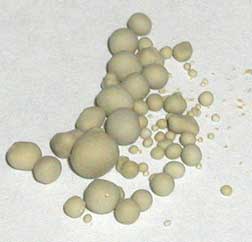
In case you are curious, here’s what urate stones look like after removal.
Signs and symptoms
Urate crystals can be very irritating to a dog’s urinary tract and may trigger bladder or urinary tract infections. Signs that could suggest uric acid crystals or stones include:
- Straining or showing discomfort when urinating
- Blood in the urine
- Cloudy urine
- Gritty material in the urine
- Passing only small amounts of urine
- An unusual or interrupted urine stream
- Urine leakage accidents around your home
Hopefully, this will never happen, but if your dog is a Dalmatian or Dalmatian mix and you suspect crystals or stones, it’s important to collect a urine sample and have your vet check for any signs of a problem.
How are urate stones diagnosed?
If the stones are large enough, your vet may be able to feel them in the bladder during an examination. However, many urate stones are too small to detect this way, and they are often radiolucent, meaning they don’t always show up on standard X-rays.
To confirm their presence, your vet may recommend other imaging techniques such as ultrasound or a contrast radiographic study, a specialised technique that uses dye to outline the bladder and make any stones visible.
How will my vet treat uric acid stones?
Urate stones cannot be left untreated. There are two main reasons for this:
- The presence of stones in the bladder can damage the inner lining, cause pain and inflammation, and predispose your dog to bacterial infections.
- If the stones are too large, they risk blocking the urethra. If a blockage prevents your dog from urinating, this is an emergency, and surgery must be performed immediately.
Urate stones can also be dissolved with a very restricted purine diet, urine alkalization, and control of any secondary bladder infections. On average, this approach takes about 3 to 4 months for stones to dissolve.
More recent techniques use high-frequency ultrasound to break stones into small fragments, which can then be flushed out of the bladder.
Your vet will discuss the pros and cons of each option with you and help you decide which is best for your dog.
How can I prevent and monitor my dog for the recurrence of urate stones?
Once a dog has had urate stones cleared, the focus turns to prevention and monitoring.
Work with your veterinarian to develop a regular plan for urine testing and either X-rays or ultrasound examination to monitor for the recurrence of stones. This way, you can identify new stones while they are still small enough to be treated without surgery.
Diet for dogs with uric acid stones
The key part of a prevention plan is diet. I’ve been working with Dalmatians for over 15 years and have never had a problem with stone formation or recurrence once the right diet is fed. The trouble is that some owners find it hard to accept what the right diet is because it’s a vegetarian diet.
Wait. What? …I hear you ask. Okay, let me explain.
To reduce the risk of urate stones, our primary goal is to lower your dog’s intake of purines. Without the purines that trigger urate stone formation, even dogs with a genetic predisposition can live normal, healthy lives – as long as their diet and urine are carefully managed.
Foods high in purines include:
- Seafood,
- Poultry,
- Red meats,
- Organ meat, such as liver and kidneys
The foods listed below are considered virtually purine-free:
- Dairy products,
- tofu,
- eggs,
- most vegetables,
- and fruits.
For this reason, a low purine diet typically focuses on vegetarian ingredients.
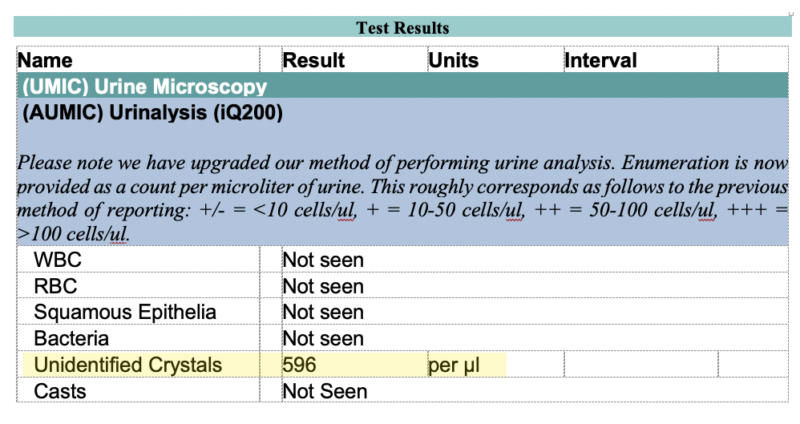
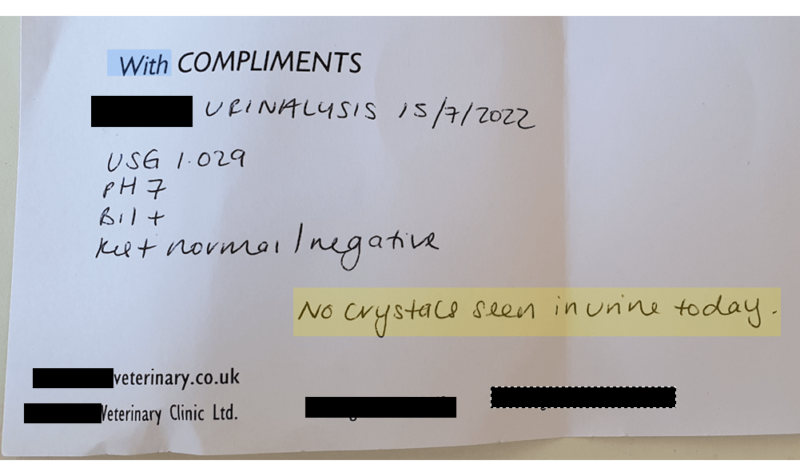
In case you’re still sceptical, here are the results from a dog I worked with before and after transitioning to a vegetarian diet.
Before diet change:
After diet change:
Homemade dog food for urate stones
There are several veterinary prescription diets designed to reduce the risk of urate stones. However, you can also prepare your dog’s food at home using the same high-quality ingredients that you eat yourself.
Making your dog’s food at home has several advantages. Because many high-protein foods are also high in purines, commercial diets tend to be low in protein. However, it’s not the quantity of protein that causes urate problems; it’s the type of protein. By feeding a homemade diet, you can easily choose and prepare food ingredients that are high in protein and low in purines, such as eggs, cheese and yoghurt.
Feeding fresh, moist food rather than dry kibble also helps increase your dog’s water intake. As mentioned above, well-hydrated dogs produce more dilute urine, which reduces the concentration of the compounds that form stones. Ideally, we are aiming to maintain urine specific gravity below 1.020 and a neutral urine pH of around 7.0. This helps keep uric acid dissolved and reduces the chance of crystal formation.
You can encourage your dog to drink more by keeping several bowls of fresh water around the house and changing them regularly.
Never give vitamin C supplements to a stone-forming dog, as it can acidify the urine. Brewer’s yeast is another popular supplement that should be avoided due to its very high purine content.
Takeaways for Dalmatian owners
Uric acid stones can be very painful. The good news is that sticking to the right dietary plan and regularly monitoring your dog’s urine can greatly reduce the risk of stones forming or returning.
Always make sure your dog has access to plenty of fresh water. Good hydration keeps the urine dilute, making crystals far less likely to form.
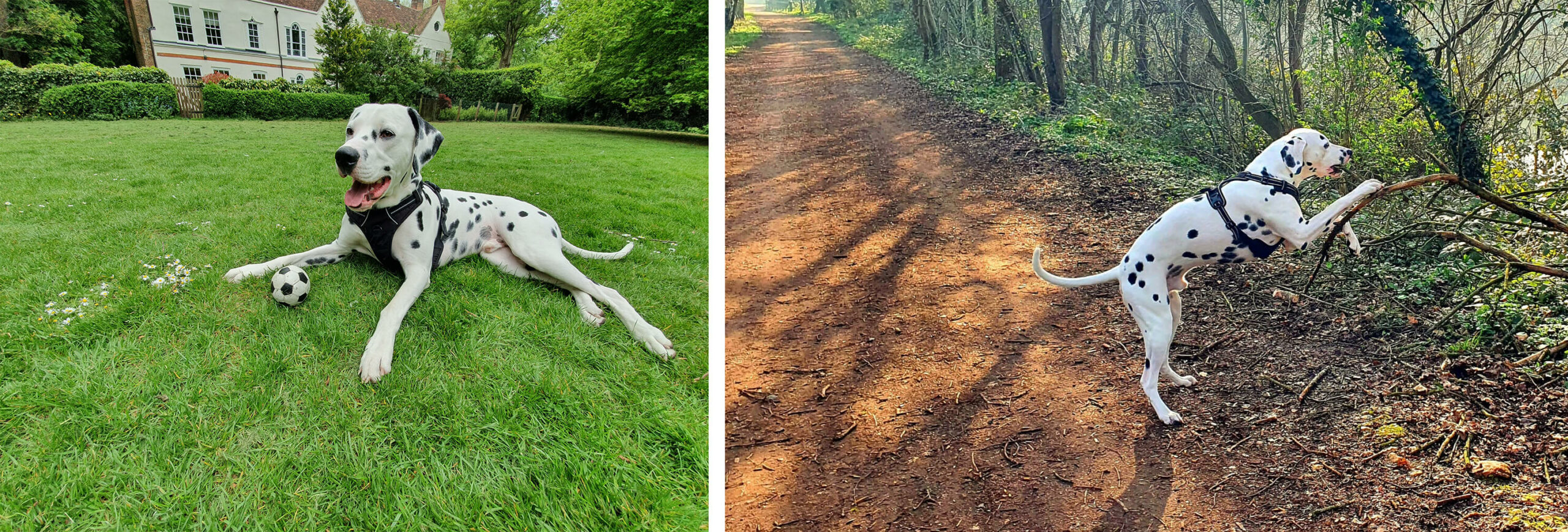
Say hello to Happy!
His owner knew the importance of immediate diet changes when large quantities of crystals were found in his urine. She got in contact, and Happy was put on a vegetarian homemade diet. One month on, his urinalysis came back clean! This beautiful puppy is very lucky to have an owner who acted quickly on his behalf, and I was very lucky to get to work with both of them.
About the author:
Kristina Johansen, MSc cand. (Animal Nutrition), Cert ACN, is a dog nutritionist with over 15 years' of experience. She's a member of the American Academy of Veterinary Nutrition (AAVN) and the European Society of Veterinary & Comparative Nutrition (ESVCN). She specialises in home-prepared dog diets that meet NRC guidelines. Learn more →Disclaimer: This blog is for educational purposes only. Please don’t create or change your dog’s diet based on this information. Dogs with health issues need carefully balanced diets, so always consult a qualified dog nutritionist.
Diet & Health Advice
If your dog has been diagnosed with urate stones and you’re considering a homemade diet, please get in touch. I’ll be happy to help.
Book a Consultation